Main menu:
Basements
The construction method can be broken down to stages a further breakdown of each stage is given below. If anything is unclear or you would like further information please call or email us.
moving services if needed.
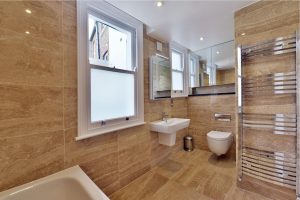
(could also involve partition walls, a new kitchen, bathrooms depending on the Client the options are endless).
The sewage of the premises sometimes needs diverting as well.
Each stage is crucial to get it right if not the project could result in failures or in creating an unattractive space, which is not utilised.
Stage 1 – Preliminary works
It is crucial to get the design right to suite your needs once a design established it will be submitted to planning as most basements need planning consent (unless can be achieved under permitted development rarely the case in basements).
We will prepare calculations and drawings for Building Control and Party Wall surveyors.
We can offer a full design service depending on the need from a simple shell to a media home system
Some services as gas and electric meters might need moving prior of works.
Stage 2 – Front excavation
If you currently have some type of basement or cellar we might be able to dig from the front garden so all the works go from the front garden as appose through the house. This will enable occupier to be less disturbed during the majority of the construction stage. We might be able to work under some slabs depending on the slab construction.
The holding is placed for security and storage.
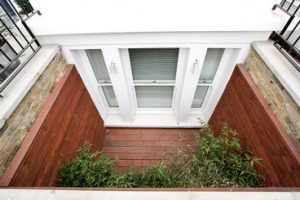
The front area might be filled in on a later stage or constructed to accommodate a front light well.
If no basement exists we will still build a front holding however we will need access to the front room in the initial stage as we might not be able to work under the concrete or the wood floor
Stage 3 – Insertion of Beams
This will depend on the design but usually in older houses it will take the loads of the floor of the ground floor and enable moving the sleepers. This will enable to a clear open space hence making the basement potentially one of the biggest rooms of the house if not the largest.
Stage 4 – Underpinning, excavation and slab construction
This stage will take time as the underpinning has to be done in sequence according to the engineer’s specification and inspected by the building control. Once the underpinning is completed the remaining of the soil will be removed. Once the earth is removed the slab can be constructed, the slab will be 200 to 300mm thick with reinforced steel normally tied into the toes of the pins.
Stage 5 - Water proofing and floor construction
The new room is water proofed by a membrane on the floor and walls and sealed together. The floor will be constructed of 18mm tongue and grove boards or screed on top of the membrane. This will depend on the type of finish flooring required to finish the room.
As the water proofing is crucial more information is dedicated to the subject.
Stage 6 – Staircase
We might have done all the works without interfering with the main house however once the new staircase is to be fitted access will be needed. This stage might be delayed while the internal fit out is taking place.
Stage 7 - Internal fit out
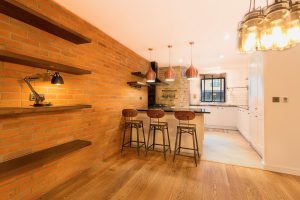
This stage is where your basement area comes to live to suite your needs. The electrics, plumbing, portioning and all the internal work will depend on your needs which were implemented in the design.